
Retrax Retractable Tonneau Cover: Fort Myers
A lot of Fort Myers truck owners start looking at a bed cover after the same kind of day. The truck is parked at a job site, the sky turns dark fast, and tools, materials, or weekend gear are sitting in the open bed. By the time the rain stops, everything in back is wet, dirty, or one easy reach away from disappearing.
That is where a Retrax Retractable Tonneau Cover gets attention. Not because it looks clean on the truck, though it does. It gets attention because it changes how you use the bed every day. You can lock up gear, cut down exposure to rain and sun, and still get quick access without wrestling with a floppy cover or removing hard panels to haul something tall.
In Fort Myers, the buying decision is only half the story. The other half is ownership. Heat, humidity, salt air, sand, and sudden rain expose the weak points in any bed cover. A Retrax can be a strong long-term solution, but only if you choose the right model, install it correctly, and stay ahead of the maintenance that marketing pages rarely talk about.
Beyond the Open Bed Securing Your Gear in Florida
A truck bed in Southwest Florida works hard. One day it carries tool bags and materials. The next day it has golf clubs, coolers, beach gear, or luggage. The problem is not just theft. It is weather, UV exposure, road grime, and the fact that afternoon rain can hit before you even leave the parking lot.
A retractable cover fits this kind of use better than many people expect. You keep the bed usable, but you are not leaving everything exposed. If you stop for lunch in Fort Myers, park near the beach, or leave the truck at a property you are servicing, the bed is no longer wide open.
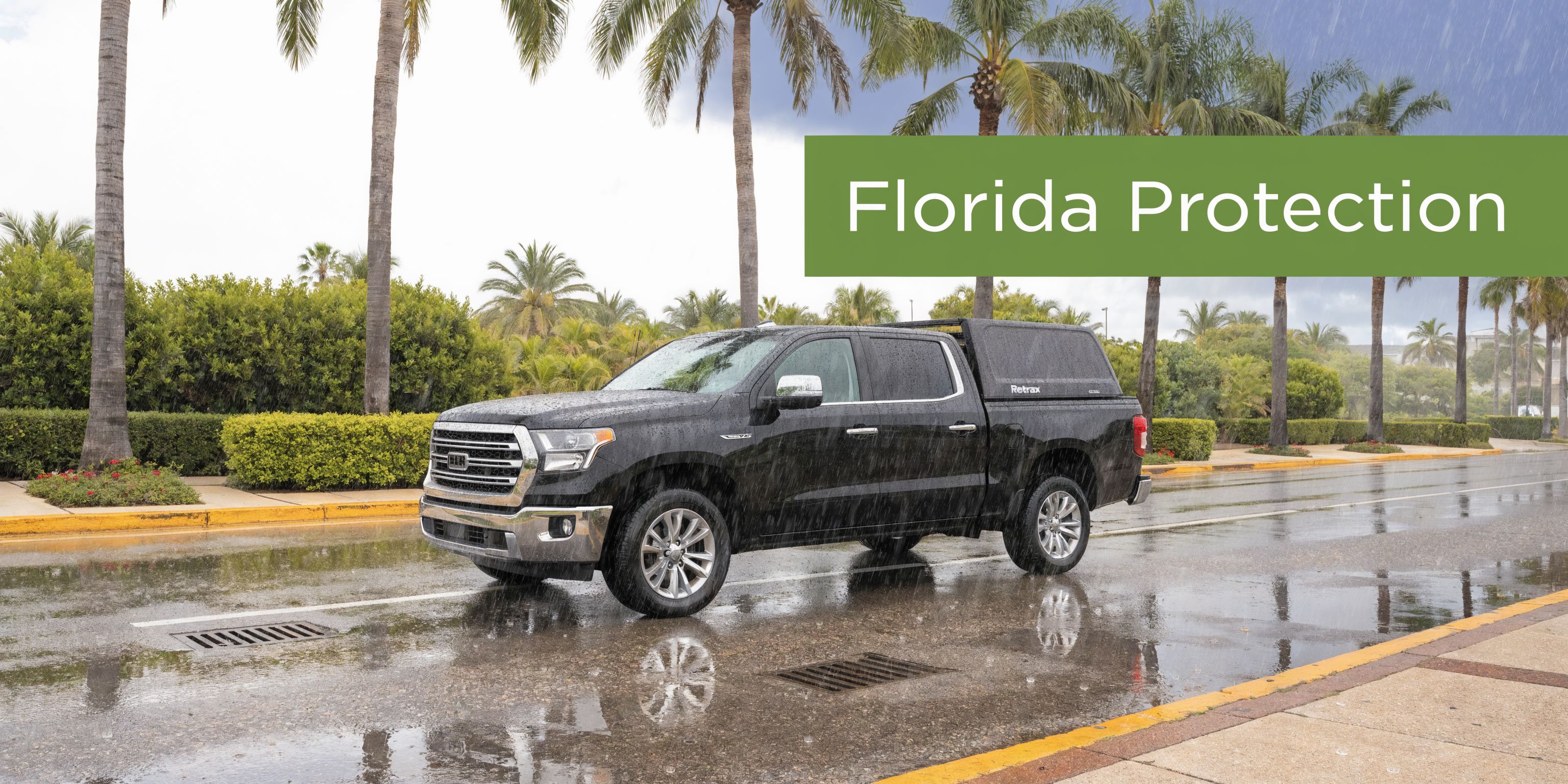
What Florida truck owners usually need
Most buyers are trying to solve more than one problem at once:
- Secure expensive gear: Contractors want to leave tools in the bed without advertising what is there.
- Protect cargo from rain: Even a short storm can ruin boxes, bags, and electronics.
- Reduce sun exposure: Florida sun fades, cracks, and overheats anything left uncovered.
- Keep daily access simple: If the cover is annoying to open, people stop using it properly.
Retrax stands out because it feels more like a built-in truck upgrade than an add-on. It rolls away into a canister instead of folding up in sections, so the truck keeps a cleaner profile. For a lot of owners, that matters less for appearance than for routine use. If a cover opens cleanly and closes without a fight, it gets used.
Security is only part of the value
A locked cover does not make the truck bed into a bank vault. No bed cover does. But it creates a barrier, removes easy visibility, and gives your cargo better protection than an open bed or a light soft cover.
That matters even more when you combine a cover with solid cargo management. If you carry shifting tools, coolers, or bins, proper truck bed tie-downs and anchors make the whole setup work better.
A bed cover protects cargo better when the cargo itself is secured. Sliding gear can stress seals, rails, and the cover surface over time.
For Fort Myers drivers, the key question is not whether a retractable cover is useful. It is whether the cover you buy can keep doing its job after months of humidity, grit, and heavy use. That is where Retrax construction and model choice start to matter.
Understanding Retrax Construction and Technology
A Retrax works a lot like a compact armored garage door for your truck bed. Instead of lifting up on hinges or folding into panels, the cover retracts along side rails and coils into a front canister. The better that system is engineered, the better it feels in daily use.
The important parts are not flashy. They are the slats, rollers, rails, latch, and drainage path. If those parts are well designed, the cover opens smoothly, stays aligned, and holds up better in rough conditions.
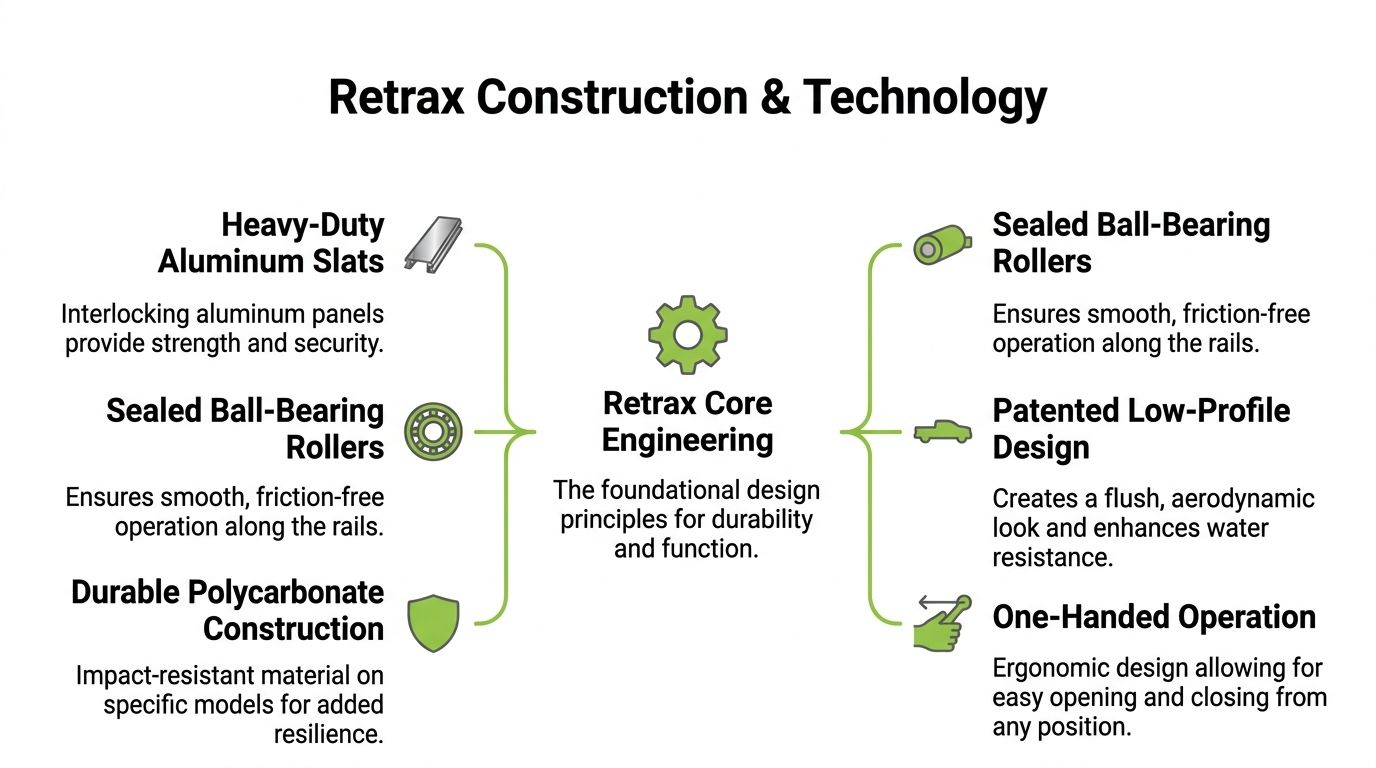
The slat system and why it matters
On the RetraxPRO XR, the cover uses double-wall aluminum slat construction with CoreTrax sealed rollers and sealed ball-bearing systems, which supports 500 lbs of evenly distributed dynamic weight and is designed for smooth retraction under load, according to the RetraxPRO XR product details at RealTruck.
That sentence matters because it tells you what kind of cover this is. It is not a sheet stretched over bows. It is a hard retractable assembly built to carry real load when the model is designed for it.
The aluminum slats add security and rigidity. If you are carrying ladders, materials, or work gear around Fort Myers, rigidity makes a difference. A flimsy cover may look acceptable when new, but daily flex and vibration usually show up later as poor alignment, noisy operation, or edge seal problems.
Why the roller and rail design is a big deal
The same RealTruck product details note that the RetraxPRO XR system uses sealed rollers and sealed ball bearings, and that the design avoids exposed joints, hinges, and moving parts that can trap dust, freeze, or wear. In Florida, freezing is not the issue. Sand, salt residue, and moisture are.
This is one of the clearest advantages of a premium retractable system. The cover should glide on a controlled path. It should not drag, bunch, or depend on fabric tension.
A few practical benefits come from that design:
- Smoother daily opening: Better track support means less fighting the cover.
- Less mess in moving parts: Sealed components help keep grit from turning operation rough.
- More consistent locking positions: The handle and rail system allow flexible bed access without fully opening the cover.
The easiest way to judge cover quality is not the brochure. Open it, close it, and pay attention to how it tracks.
The canister and water path
Every retractable cover stores somewhere. On a Retrax, that is the front canister near the cab. That canister is the trade-off for the retracting design. You gain fast access and a cleaner opening motion, but you give up some front-bed space.
That is worth it for many owners, especially if they use the bed often and want quick access from the tailgate. It matters less for someone hauling long loose material every day and more for someone carrying tools, packaged equipment, or organized cargo.
The system also uses drain tubes to route water out. That is a necessary part of retractable cover ownership. No cover is helped by trapped water, and a drain system only works when it is installed and maintained properly.
The fit and accessory side
Some Retrax models also appeal to owners who want rack compatibility and a lower-profile look. If you are comparing different options and fitments, the Retrax collection at Truck Stuff is one place to sort through the brand by vehicle and intended use.
This is a key value of understanding the technology first. Once you know what the rails, slats, bearings, and canister do, it becomes easier to decide whether you need a basic hard cover, a heavier-duty aluminum model, or an XR setup that can support gear above the bed.
Which Retrax Tonneau Cover Is Right for Your Truck
Choosing the right Retrax usually comes down to three questions. What do you haul, how hard do you use the truck, and do you need to carry gear above the cover as well as inside the bed?
A lot of buyers look at the lineup and just see different price points. That misses the core difference. Material, structure, and rack compatibility change how the cover fits daily work.
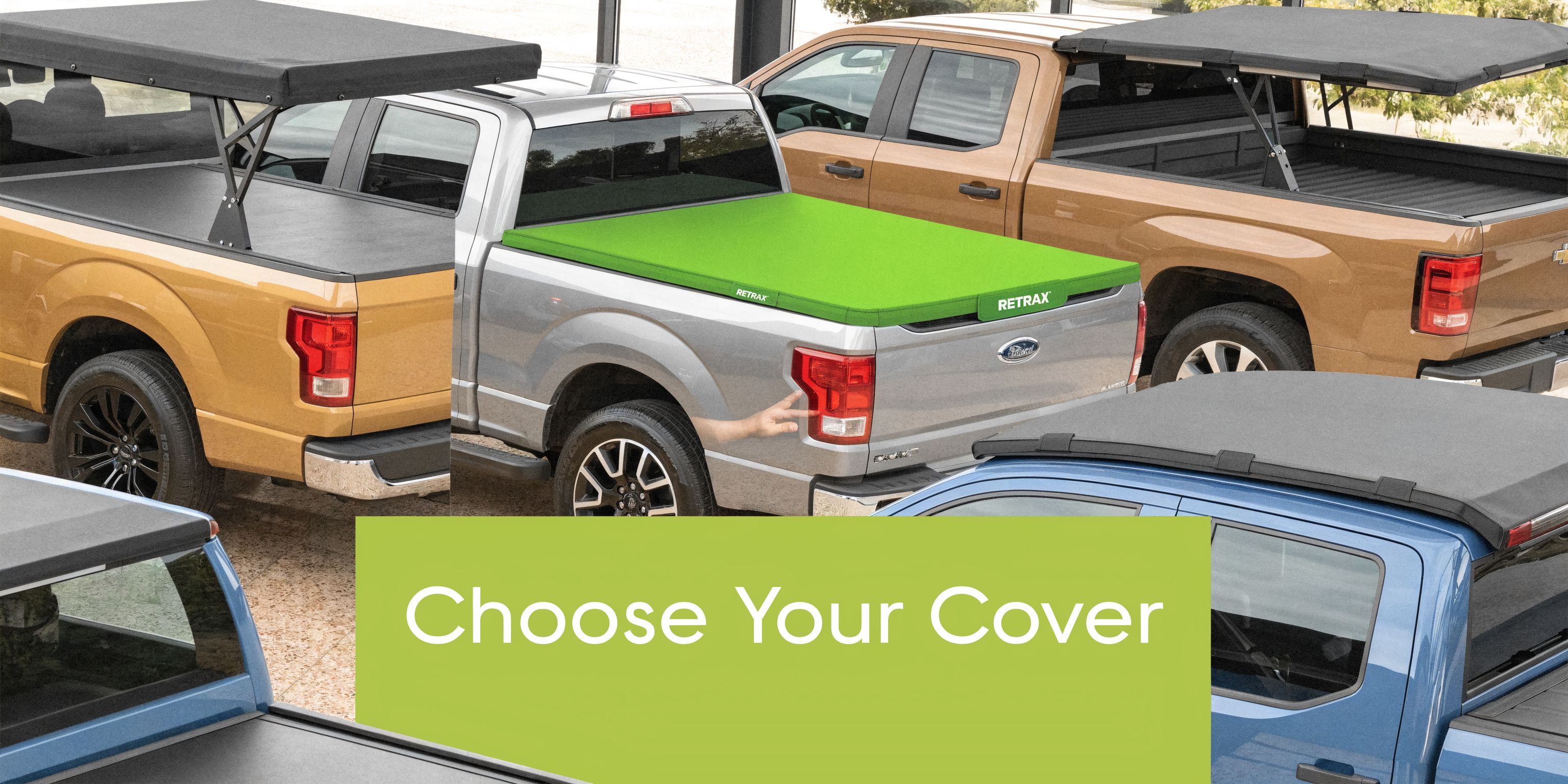
RetraxONE for lighter-duty use
The biggest reason to consider a RetraxONE model is straightforward. You want the retractable format, you want a hard cover feel, but you are not planning to put the same demands on it as a contractor or fleet truck.
The verified product information says the RetraxONE is rated for 250 lbs, while the Retrax EQ is rated for 500 lbs of evenly distributed weight, and the PRO models also match that heavier rating, as described in the Retrax EQ coverage on YouTube.
That difference is not just a spec sheet talking point. It tells you how to shop.
If your truck mostly carries personal gear, luggage, groceries, sports equipment, or occasional tools, the lighter-duty model may be enough. If your truck sees ladders, jobsite use, heavy cargo demands, or more aggressive day-in and day-out wear, that lighter rating should make you pause.
RetraxPRO and EQ for harder use
The aluminum models are where Retrax becomes much more attractive for commercial users and serious daily drivers. If your truck supports your income, the heavier-duty construction matters.
Use cases that lean toward PRO or EQ include:
- Contractor trucks: Tools, parts, and equipment stay more secure while the cover stands up to harder use.
- Fleet vehicles: Repeated opening and closing demands more from the rail and slat system.
- Owners who stack more demands on the cover: If you need more confidence in strength, the aluminum models are the safer direction.
One caution. High load capacity does not mean you should treat the cover like a work platform. Even a strong cover lasts longer when people respect the rails, keep loads distributed, and avoid impact abuse.
What XR means in real life
The XR designation is important if you need a rack system above the bed. That setup gives you more flexibility without giving up the covered cargo area below.
This is the model category that makes sense for owners who want to carry:
- ladders
- long boards or pipe
- kayaks
- bikes
- rooftop-style cargo setups above the bed
That combination is hard to duplicate with simpler folding covers. If you are the type of owner who uses every inch of truck utility, the XR setup is often the turning point in the decision.
Here is a quick look at how to think about the lineup.
| Model direction | Best fit | Main consideration |
|---|---|---|
| RetraxONE | Personal use and lighter duty hauling | Lower load rating than aluminum models |
| RetraxPRO | Work trucks and owners wanting heavier-duty aluminum construction | Higher investment, but stronger fit for demanding use |
| Retrax XR variants | Owners who need rack compatibility above the bed | More system complexity, but much more cargo flexibility |
| Retrax EQ | Buyers focused on premium aluminum strength and higher load capability | Better matched to commercial-style demands |
A quick walkaround helps if you want to see how the retractable format behaves on an actual truck.
Match the cover to the way you use the truck
A common buying mistake is choosing by looks first. A better approach is to think through a normal week.
Do you open the bed several times a day? Do you park with tools inside? Do you need a rack later? Do you regularly load bulky gear that sits higher than the bed rails? Are you okay with the front canister taking some bed space?
Those answers matter more than trim names.
If you are comparing hard retractable options across brands and vehicle fits, hard retractable truck bed covers are worth reviewing side by side before you commit. The right Retrax is the one that matches your routine, not the one with the most features on paper.
Keeping Your Retrax Cover Watertight and Smooth
A lot of cover marketing encourages one bad assumption. Install it once, ignore it, and it will stay watertight forever.
That is not how retractable covers live in Fort Myers. Heat bakes seals. Humidity sits in every channel. Sand and grit collect in rails. Leaves and debris find their way into drains. If you want long-term performance, you need a maintenance habit. The biggest leak problem is often not where people think.
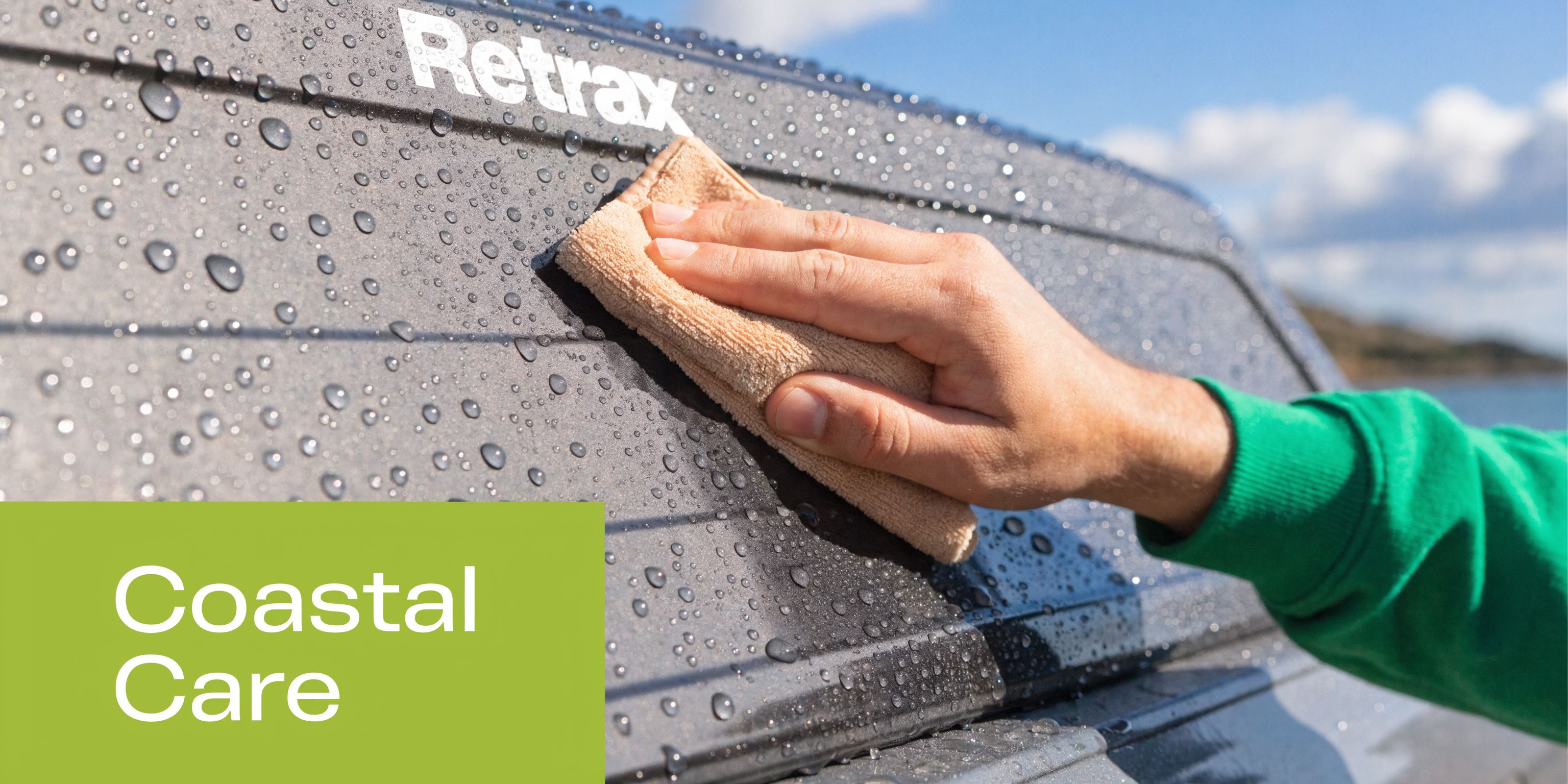
The biggest leak problem is often not where people think
People usually blame the cover surface first. In real ownership, drainage and seals are more common suspects.
One reported owner experience said two Retrax covers on F-150s “leaked constantly” and would “lose their tight seal on a regular basis,” with clogged drain tubes contributing to the issue, as discussed in this YouTube review of Retrax ownership concerns.
That does not mean every cover will do that. It does mean the weak points deserve attention.
What to inspect in Florida
If your truck lives outside, near the coast, or under trees, inspect these areas regularly:
- Side rail channels: Dirt and grit can make the cover feel rough and can interfere with clean travel.
- Weather seals: Look for drying, flattening, cracking, or spots that no longer sit evenly.
- Drain tubes: Make sure they are clear and moving water out of the system.
- Canister area: Debris buildup near the retraction point can create long-term trouble.
- Latch operation: If locking or release feels inconsistent, do not force it.
A practical maintenance rhythm
You do not need an elaborate ritual. You need consistency.
After heavy storms, check that water is draining instead of pooling. After parking near trees, clear out leaves and small debris. After beach-area driving or dusty work, clean the rails before that grit gets worked deeper into the system.
A simple routine usually looks like this:
- Rinse loose debris off the cover surface first. Dry wiping a gritty cover can grind dirt into the finish.
- Clean the rails gently. The goal is to remove buildup, not flood the track with random chemicals.
- Check the seals by hand. Feel for dry spots, looseness, or obvious deformation.
- Confirm drain flow. If tubes are blocked, fix that before the next downpour.
- Cycle the cover open and closed. Smooth travel now can warn you about small issues before they become expensive ones.
If a retractable cover starts feeling rough, noisy, or sticky, do not keep forcing it. Binding usually gets worse, not better.
What does not work
Neglect is the obvious one. So is treating the cover like it is maintenance-free because the moving parts are better protected than a basic cover.
Other mistakes show up often:
- Ignoring slow leaks: Small water intrusion rarely fixes itself.
- Leaving clogged drains in place: Water has to go somewhere.
- Using the wrong cleaning habits: Harsh scrubbing and careless chemicals can shorten seal life.
- Forcing operation when something is misaligned: That can turn a minor issue into hardware damage.
Florida does not give truck accessories an easy life. The sun is strong, the air stays wet, and storms arrive fast. A Retrax can hold up well, but the owners who stay happiest with them are usually the ones who expect some upkeep and handle it early.
Why Professional Tonneau Cover Installation Matters
A hard retractable cover is less forgiving than many people think. It is not just a lid that sits on the bed rails. It is a fitted system with tracks, a canister, drains, clamps, and moving parts that all depend on alignment.
That is why installation quality affects ownership quality.
Small errors create bigger problems later
The most common DIY issue is rail alignment. If the rails are even slightly off, the cover may still open and close at first. But over time, you can end up with drag, latch inconsistency, rubbing, or binding that feels like a product flaw when it started as a setup problem.
Drain routing is the next one. If drain tubes are kinked, routed poorly, or left in a position where water cannot exit cleanly, you lose one of the key parts of the system’s weather management.
The canister position matters too. A poor fit at the front of the bed can affect operation, bed space, and water control.
What a proper install should accomplish
A professional install is not just about saving time. It should deliver a specific result:
- the rails sit square and track correctly
- the canister is positioned cleanly
- clamps are tightened correctly
- drain tubes are routed for proper flow
- seals sit where they should
- the cover cycles smoothly before the truck leaves
When that foundation is right, the cover has a better chance of staying smooth and manageable in Florida conditions.
Why this matters more in a coastal climate
Fort Myers adds extra pressure to any truck accessory. Moisture finds weak spots. Heat speeds up wear. Fine debris works into places owners do not check until something starts acting up.
A careful installer can reduce those risks from day one. That includes catching bed-specific quirks, verifying clearance, and making sure the system is not being forced to compensate for poor fit.
If you want that setup handled professionally, Truck Stuff installation services are one local option for vehicle accessory fitment and setup.
With retractable covers, installation is part of the product. A premium cover installed poorly usually performs like a cheaper one.
For many owners, the install charge is easier to justify when they think about what they are protecting. Tools, gear, bed contents, the cover itself, and the time spent chasing leaks or alignment problems later.
Navigating Retrax Warranty and Service Needs
Warranty questions usually show up after the sale, which is exactly when people do not want surprises. A retractable cover is a major accessory purchase, and buyers should be realistic about what the warranty process feels like when a part binds, a mechanism strips, or operation becomes inconsistent.
The challenge is not just whether a warranty exists. The challenge is understanding what happens when you need service.
Where confusion usually starts
Verified user-facing information shows that Retrax warranty coverage and claim procedures are often unclear, and that owners have reported problems like stripped gears and binding mechanisms without clear answers on whether those issues fall under warranty, as discussed in this etrailer warranty question thread.
That uncertainty matters because retractable covers have both structural and mechanical elements. If something goes wrong, the first step is figuring out whether the problem came from a defect, wear, contamination, misuse, or installation error.
A practical way to handle warranty questions
When a cover starts acting up, take a simple approach:
- Stop forcing the mechanism. Continued use can make the original issue harder to diagnose.
- Check for obvious maintenance causes. Debris in rails, blocked drains, or dried seals may be part of the problem.
- Document what is happening. Note where the cover binds, leaks, or fails to latch.
- Go back to the installer or selling dealer first if possible. That gives you a starting point for diagnosis.
- Separate defect issues from wear issues. That distinction often decides whether a claim goes anywhere.
Why dealer support matters
Buying from an authorized installer gives you a defined first contact. That matters more than people realize. Instead of trying to guess whether the problem is normal wear, an installation issue, or a product defect, you have someone who can inspect the system and help move the process forward.
This is one of the least glamorous parts of buying a Retrax Retractable Tonneau Cover, but it is one of the most practical. Fancy product pages do not help much when a latch starts sticking. Clear service support does.
A good buying decision is not only about the cover you choose. It is also about how easy it will be to get informed help if something changes after months of real use in Florida.
Is a Retrax Retractable Tonneau Cover Your Best Choice
A Retrax is a strong fit for the right owner. It is not automatically the right fit for every truck.
The easiest way to decide is to look at your use, not the feature list alone.
Ask yourself these questions
If you answer yes to most of these, a Retrax probably deserves a serious look:
- Do you need better security than an open bed or soft cover gives you?
- Do you want quick, partial bed access instead of removing panels or flipping sections up?
- Does your truck stay outside in sun and rain often enough that bed protection matters every week?
- Are you willing to do simple maintenance so drains, rails, and seals stay functional?
- Do you carry work gear or valuables that justify a more substantial cover system?
If you also need rack compatibility above the bed, the XR direction becomes much more relevant.
When a Retrax makes the most sense
This style of cover usually makes the most sense for owners who use the truck often and want a cleaner daily routine. Open tailgate, unlock, retract, load, close. That is the appeal.
It also suits buyers who care about a more integrated look and want a hard cover that feels more permanent than a temporary accessory.
When you may want to think twice
A Retrax may not be the ideal fit if any of these describe you:
- You want the cheapest way to cover the bed.
- You do not want to do any maintenance at all.
- You haul messy bulk material constantly and do not want a front canister in the bed.
- You prefer a cover design with fewer mechanical components.
- You know you will ignore small leaks or rough operation until something fails.
None of those points make Retrax a bad product. They just point to a mismatch between product type and owner habits.
The practical bottom line
For Fort Myers drivers, the long-term story matters more than the showroom story. A Retrax Retractable Tonneau Cover offers strong security, convenient bed access, and better structure than many basic covers. It also asks for realistic ownership. Keep the drains clear. Watch the seals. Pay attention to changes in operation. Start with a proper install.
That is the trade-off. You spend more for a premium retractable system, and in return you get a cover that can work very well in daily life if you choose the right model and stay ahead of maintenance.
If you want help matching a Retrax setup to your truck, cargo habits, and Florida use conditions, contact Truck Stuff for a vehicle-specific quote and practical fitment guidance.